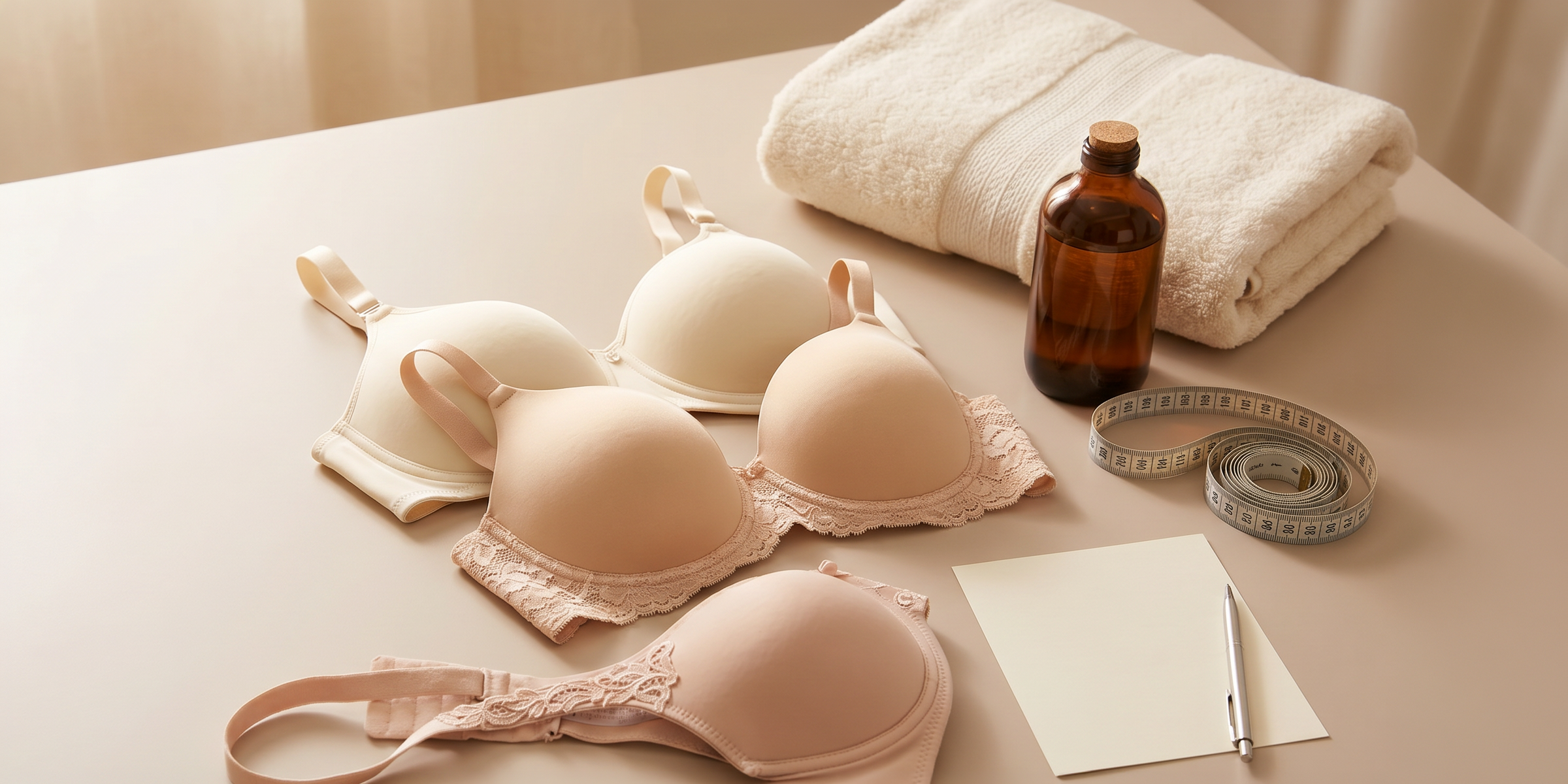
When Should You Replace Your Bras?
If you have a favorite bra that has been in the drawer for a while, it can be hard to know when it is truly done. In most cases, you should replace a bra when it stops supporting you well: when the band feels loose, the straps will not stay put, the cups lose their shape, the wires become uncomfortable, or the fabric simply feels tired.
This is not about replacing bras because they are a few months old or because of one strict calendar rule. Bras lose support little by little as the elastic stretches, the cups soften, the fabric wears, and your body or fit needs shift. That is especially important if you have a fuller bust, wear your bras often, or find that standard sizes do not always give you the support you need.
The best question is not just “How old is this bra?” It is “Is this bra still supporting me well?” This guide will help you judge the signs, understand how to make bras last longer, and know when a professional fitting may help you decide what to replace next.
The Practical Answer: Replace Bras When They Stop Supporting You Well

There is no single replacement timeline that works for every bra or every person. A bra worn once a week and washed carefully will usually last longer than a bra worn several days in a row and tossed in the dryer. Fabric, elastic, construction, cup style, and your own fit needs all matter too.
A bra may be ready to replace when:
-
The band feels loose even on the tightest hook
-
The back of the band rides up
-
The bra straps keep slipping or need constant tightening
-
The bra cups have lost their shape
-
The wires poke, twist, or feel different than they used to
-
The fabric looks stretched, thin, frayed, or tired
-
The bra no longer gives adequate support, even after adjusting it
-
Your size or shape has changed and the bra no longer fits well
Think of replacement as a fit check, not a punishment for owning bras too long. A favorite bra can serve you beautifully for a while, but once it stops supporting you, it is doing less work than you deserve.
How Long Bras Usually Last
Bras do not come with an exact expiration date. How long bras last depends heavily on how often you wear them, how many bras you rotate through, how you wash them, and how much stretch and structure the bra had to begin with.
An everyday bra that is worn often will usually show wear sooner than a special-occasion bra. A bra that has time to rest between wears may keep its shape longer because the elastic has a chance to recover. A bra that is washed gently and air-dried will usually hold up better than one exposed to heat, harsh washing, or rough handling.
Sports bras may show wear sooner if they are used for frequent workouts, especially if the band and straps are working hard to control movement. They still need the same basic check: does the band anchor, do the straps stay put, and does the bra still feel supportive during the activity you bought it for?
A good practical habit is to check your most-worn bras every so often. Do not only look at whether they are pretty or clean. Put them on and notice how they behave. Does the band still anchor? Do the cups still hold you smoothly? Do the straps stay where you set them? Does the bra feel like it is doing its job?
If the answer is no, the bra may be telling you it is time.
Signs It's Time To Replace Your Bra

A worn-out bra often shows itself through small fit changes. Here are the telltale signs to check at home.
The Band Feels Loose Or Rides Up
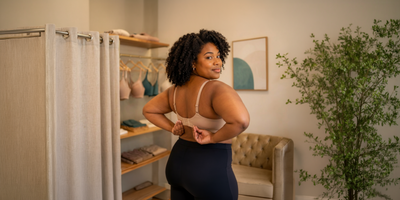
The bra’s support depends heavily on the band, so when the back band stretches out, the bra loses its anchor point.
A stretched-out band may:
-
Ride up in the back
-
Feel loose around the ribcage
-
Shift when you move
-
Need the tightest hook to feel close
-
Make you tighten the straps more than usual
-
Let the cups pull away from your body
If the band no longer gives you steady support, that can be a clear sign the bra is nearing the end of its useful life.
When a bra is new, it often fits best on the loosest comfortable hook so you have room to tighten it as the elastic naturally relaxes over time. If an older bra only feels wearable on the tightest hook, and even that no longer feels secure, the band may be worn out.
That said, a riding band can also be a fit issue, not just an age issue. If this has happened from the beginning, the size or style may not have been right for you. Our guide to why your bra band rides up can help you think through what the band is telling you.
The Straps Keep Slipping Or Need Constant Tightening
Straps can stretch over time, especially on bras you wear often. If you keep adjusting the same straps tighter and tighter, the elastic may be tired.
But straps are not the whole support system. Slipping straps can also happen when the band is too loose, the cups are too wide, or the style does not match your shoulder shape or breast placement. This is why it helps to check the band first.
A bra may be worn out if the straps used to stay in place and now slide no matter how carefully you adjust them. If the straps feel stretched, curled, thin, or weak, that is another clue. Constantly adjusting bra straps throughout the day is usually a sign that something is not working, whether that is worn elastic, band fit, cup fit, or style shape.
You may have heard the two fingers strap check. It can be a rough comfort clue, but it is not a perfect fit rule. Straps should feel secure without digging, and you should not have to keep tightening them just to make the bra feel supportive.
The Cups Have Lost Their Shape
Cups can wear out too. Molded cups may dent, collapse, curl at the edges, or gap in a way they did not before. Seamed or lace cups may stretch, wrinkle, soften, or stop holding the bust in the same lifted shape.
Cup wear may show up as:
-
Gaping that is new
-
Wrinkling that does not smooth out
-
Cups that collapse under clothing
-
Molded cups that look dented or misshapen
-
Cup edges that curl outward
-
Fabric that no longer gives gentle containment
-
A bra that feels less lifted than it used to
-
Cups that no longer sit smoothly against your breast tissue
When the cups hug your shape properly, they should contain breast tissue without cutting in, collapsing, or pulling away in a way that feels different from how the bra used to fit.
If the cups have always gapped, that may be a size or shape mismatch. If they used to sit smoothly and now look tired, the bra may be worn. A smooth T-shirt bra can make cup distortion easier to notice under clothing because dents, curling, or collapsing may show through more clearly. For more help with the difference, see our guide to why bra cups gap at the top.
The Wires, Seams, Or Edges Feel Different
A bra that once felt comfortable may start to poke, twist, dig, or rub as it wears down. Poking underwire can be a sign that the bra is no longer fitting or functioning the way it should. The wire may shift inside the channel, the seams may feel rougher, or the edges may curl against the body. If poking is the main issue you are trying to solve, our guide to why your underwire bra pokes walks through the most common causes.
Pay attention if:
-
The underwire pokes under the arm or at the center
-
The wire feels bent, warped, or uneven
-
One cup sits differently from the other
-
The wire channel looks worn or stressed
-
The bottom edge rolls or curls
-
The seams feel scratchy or irritating
Underwire bras should sit in place without shifting or poking when the fit and structure are still working well. If a wire breaks through the fabric, that is more than a cosmetic issue. It is a red flag that the bra should be retired. Once the structure is damaged, it will not support the same way, and it may become uncomfortable quickly.
The Fabric Or Elastic Looks Tired
Sometimes the visual signs are clear. Visible wear can show up as faded color, stretched elastic, thinning fabric, pilling, fraying, or a weakened hook-and-eye closure. Lace may tear. The band may no longer spring back when gently stretched.
A bra does not have to look brand new to be useful, but it should still have structure. If it is otherwise in good shape, a small closure repair may be worth considering before replacement. But if it feels limp in your hands and loose on your body, it may not be giving you the support it once did.
Faded color alone does not always mean a bra is finished. Faded color paired with stretched elastic, weak fabric, a loose band, or damaged stitching is a stronger clue that the bra may be nearing retirement.
How Many Bras Should You Rotate Regularly?

Many women have a drawer full of bras but only wear one or two bras most of the time. That is very normal, but it does mean those bras are doing most of the work.
When you wear the same bra regularly without switching it out, the elastic has less time to recover between wears. Rotating between a few everyday bras, instead of relying on the same one continuously, can help maintain fit longer. Favorite bras may stretch faster if they are worn often, washed roughly, or dried with heat.
This does not mean you need a huge lingerie collection. It simply means that if your favorite bras are wearing out quickly, you may need a better rotation, not just a replacement. Having a few well-fitting everyday options in regular rotation can support your bra’s longevity and help each bra last longer.
Is The Bra Worn Out, Or Has Your Bra Size Changed?
This is one of the most important questions to ask before replacing a bra with the exact same size.
A bra can stop working because it is old. It can also stop working because your body or fit needs have changed. Weight fluctuations, hormonal changes, pregnancy, nursing, menopause, surgery, medication, activity level, and natural body changes can all affect how a bra fits. Sometimes your old bra size is not wrong. It is simply not the best match anymore.
Here is a helpful way to think about it:
If the bra used to fit well and now feels loose, tired, stretched, or misshapen, wear may be the issue.
If several bras in your drawer suddenly feel too small, too large, too shallow, too wide, or uncomfortable in the same way, your size or style needs may have changed.
If one bra is failing but newer bras in the same size still feel good, that older bra may simply be done.
If every bra feels wrong, it is worth doing a fuller fit check. Our article on how a bra should fit can help you look at the band, cups, straps, center front, and overall support before you automatically buy the same size again.
How To Make Bras Last Longer

You cannot stop elastic from aging, but you can help your bras last longer with better care and rotation.
A few practical habits make a difference:
-
Rotate between bras instead of wearing the same one every day
-
Let bras rest between wears when possible
-
Some people can wear a bra more than once before washing, depending on activity, weather, and how long it was worn
-
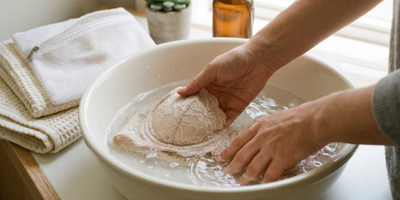
Hand wash with a gentle detergent or lingerie wash when possible
-
Choose fragrance-free or very gentle detergent if you have sensitive skin
-
Fasten hooks before washing
-
Use a lingerie bag if machine washing is the only practical option
-
Choose cool or cold water rather than heat
-
Reshape cups gently after washing
-
Air-dry flat or hang carefully instead of using the dryer
-
Store molded cups without crushing or folding them
Heat is especially hard on elastic. If your bras are going through the dryer, they may stretch, curl, or lose recovery faster. Gentle washing is one of the easiest ways to protect the fit.
How often you wash your bras depends on wear time, climate, activity level, and personal preference. The key is to avoid rough washing and high heat whenever you can.
For a deeper care routine, read our guide on how to wash bras so they last longer. If you need a gentler wash option, you can also browse lingerie wash designed for delicate pieces.
How To Find A New Favorite Bra When An Old One Is Ready To Retire
Letting go of a favorite bra can be surprisingly hard. If you finally found a bra that worked well for your body, your clothes, and your daily routine, it makes sense that you would want to keep it going.
But once it no longer gives you support, or once it creates discomfort you cannot adjust away, it may be time to let it go.
Before you toss it, look at the label. Note the brand, style name, size, and any details you loved, such as molded cups, lace cups, side support, full coverage, plunge shape, wide straps, or a specific band feel. That information can help you look for the same bra or something similar.
Then ask:
-
Did I love the shape under clothes?
-
Did the band feel secure?
-
Did the cups contain me well?
-
Did I like the coverage?
-
Did the straps stay put?
-
Was it comfortable for a full day?
-
Did it fit my current body, or only my past size?
Replacing a worn style may also help you find a new favorite bra, especially if your needs have changed since the last time you shopped.
If the same bra is still available and your size has not changed, replacing it may be simple. If the style has been discontinued, look for similar construction rather than only the same color or brand. A fitter can often help translate what you liked into another style.
If you are ready to replace several older bras, you can browse current bra styles and compare what looks closest to your needs as you refresh the bras you wear most often. If you are unsure whether to reorder your old size, it may be better to check the fit first.
Why High Quality Bras Still Need Replacing

Even high quality bras are still made with elastic, fabric, wires, hooks, seams, and stretch materials that respond to regular wear. Natural wear does not mean the bra was poorly made. It means the bra has been doing real work.
A better-made bra may hold its shape longer with good care, but it still needs to be checked over time. If the band has stretched, the cups no longer sit smoothly, or the straps are not staying where you set them, the original quality of the bra cannot make up for lost support.
This is why replacement is not just about buying a new bra. It is about keeping the support, shape, and comfort that made the bra useful in the first place.
When A Fitting Can Help
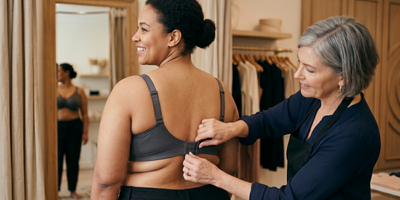
A fitting can be especially helpful when you are not sure whether the problem is the bra’s age, your size, or the style itself.
Consider booking a fitting if:
-
Most of your bras feel wrong now
-
Your band size or cup size seems to have changed
-
Your old favorites are discontinued
-
You are replacing bras after body changes
-
You keep buying the same size but not getting the same fit
-
You are unsure which style works best for your current wardrobe
-
The straps dig, the band feels unstable, or you keep noticing discomfort that seems connected to fit
A professional fitting does not have to mean starting over completely. Sometimes it simply helps you narrow down what still works, what has changed, and what styles are worth trying next.
If shoulder pain, numbness, skin irritation, or ongoing discomfort is part of the picture, it is worth checking with a qualified professional too. Bra fit guidance can help with comfort and support choices, but it should not replace medical advice.
For more personalized help, you can book a fitting appointment with The Bra Diva.
Final Fit Check
A bra does not need to be falling apart before it deserves to be replaced. If the band no longer anchors, the straps keep sliding, the cups have lost shape, or the bra no longer feels supportive, those are all signs that the bra may have lost support through normal wear.
The goal is not a perfect fit by one rigid rule or a bra that seems to fit perfectly for only a few minutes in the dressing room. The goal is to wear bras that still support you well, feel comfortable enough for real life, and work with your body as it is now.
Your favorite bra did its job. When it stops doing that job, replacing it is not wasteful. It is part of taking good care of your fit.
Frequently Asked Questions About When To Replace Bras
How Often Should I Replace My Bras?
It depends on how often you wear them, how many bras you rotate through, and how you care for them. Instead of relying on one exact timeline, check the band, straps, cups, wires, and fabric. If the bra no longer supports well or feels very stretched out, it may be time to replace it.
Can Washing Bras The Wrong Way Make Them Wear Out Faster?
Yes, rough washing and heat can make bras wear out faster. Hot water, harsh cycles, and dryers can be tough on elastic, cups, and delicate fabrics. Gentle washing, cool water, and air drying usually help bras keep their shape longer.
Should I Replace A Bra If The Band Only Fits On The Tightest Hook?
If an older bra used to feel secure on a looser hook and now only fits on the tightest hook, the band may be stretched out. If it still feels loose on the tightest hook, it is probably no longer giving you enough support. If a new bra only feels right on the tightest hook, the band size or style may not be the best starting point.
How Many Bras Should I Rotate Regularly?
There is no single number that works for everyone, but wearing the same one or two bras constantly can make them wear out faster. A few well-fitting everyday bras in rotation can give the elastic more time to recover between wears and help each bra last longer.
What Should I Do If My Favorite Bra Was Discontinued?
Look at what you liked about the bra before searching for a replacement. The brand and size are helpful, but the shape, cup depth, coverage, wire width, strap placement, and band feel matter too. A fitter can help you find a similar style if the exact bra is no longer available.
Is It Okay To Keep Wearing An Old Bra If It Feels Comfortable?
It may be okay for lounging or low-support moments if it still feels comfortable, but it may not be doing the support work you need for everyday wear. If the band is stretched, the cups have lost shape, or you are adjusting it constantly, it is better to replace it for regular use.