
How To Wash Bras So They Last Longer
A good bra does a lot more work than most people realize. The band stretches and recovers, the cups hold their shape, the straps stabilize the fit, and the fabric sits close to your body for hours at a time. That is why washing matters.
The best way to wash most bras is by hand, in cool or lukewarm water, with a gentle lingerie wash. That may sound fussy, but it is really about protecting the parts of the bra that give you support. A few simple habits can help your bras keep their shape, feel better longer, and avoid the stretched-out feeling that makes even a once-great bra stop doing its job.
The Best Way To Wash Bras Without Ruining The Fit

For most everyday bras, the safest method is simple:
-
Fasten the hooks.
-
Soak the bra in cool or lukewarm water with a gentle lingerie wash.
-
Gently press the water through the fabric.
-
Rinse well.
-
Press out extra water with a towel.
-
Air dry away from heat.
That is the short answer. No twisting, no wringing, no hot water, and no dryer.
If you only remember one thing, remember this: heat and harsh agitation are the biggest enemies of bra elastic. Once the band loses its recovery, the bra may start riding up, feeling looser, or giving less lift even if the cups still look fine.
If you want a detergent made for delicate fabrics, The Bra Diva carries lingerie wash that is designed for bras, lace, lingerie, silk, and other pieces you do not want to treat like ordinary laundry.
Why Bra Washing Affects Support
A bra is not just a piece of fabric. It is a small structure.
The band is usually doing most of the supporting work. The cups help shape and contain the bust. The straps help stabilize the fit. Underwires, seams, elastic, lace, mesh, foam, and fabric all work together to keep the bra in the right position.
Washing can affect all of those pieces.
Hot water can weaken elastic over time. A rough wash cycle can pull at lace, stretch straps, or bend hooks. A dryer can shrink or damage fabrics and make elastic lose its bounce. Molded cups can dent or crease if they are crushed under heavier laundry.
That is why a bra can technically be “clean” but still come out of the laundry with a worse fit.
A bra that is cared for gently has a better chance of holding its original shape. It may still wear out eventually, but you are not rushing the process.
How To Hand Wash Bras Step By Step

Hand washing is the best starting point for most bras, especially underwire bras, lace bras, molded cup bras, plunge bras, T-shirt bras, and delicate styles.
It does not need to be complicated.
Fasten The Hooks First
Before washing, fasten the bra hooks. This keeps them from catching on lace, mesh, or other delicate fabrics.
It also helps the band stay a little more controlled in the water. You do not need to pull the bra tight or reshape it before washing. Just close the hooks the same way you would before storing or packing it.
Use Cool Water And Gentle Wash
Fill a clean sink or basin with cool or lukewarm water. Add a small amount of gentle lingerie wash or mild detergent and swish it into the water first.
Avoid hot water. It can be hard on elastic and delicate fabrics, especially over time.
Place the bra in the water and let it soak for about 10 to 15 minutes. Then gently press the water through the cups, band, straps, and underarm area. Do not scrub aggressively. The goal is to loosen body oil, sweat, and residue without stretching the bra out of shape. The hands-on part usually takes only a few minutes.
Pay gentle attention to the parts that touch the skin most closely:
-
the band
-
the underarm area
-
the center front
-
the inside of the cups
-
the strap area near the shoulder
For deeper cleaning, you can gently pre-treat sweat marks with a small amount of mild detergent or lingerie wash before soaking. This is especially useful around the band and underarm area, where bras have the most direct contact with skin.
You do not need to treat the bra like a fragile museum piece. Just avoid the rough handling that can distort the fit.
Rinse Without Twisting
Drain the soapy water and rinse the bra in cool, clean water until the wash is removed.
Do not wring the bra. Twisting can distort the cups, strain the seams, and pull the band out of shape. Instead, gently squeeze to remove excess water.
A good trick is to lay the bra flat on a clean towel, fold the towel over it, and press lightly. This helps remove as much water as possible without twisting. Once rinsed, reshape the cups by hand and lay the bra flat to dry.
Can You Wash Bras In The Washing Machine?
Hand washing is best, but many women still use a washing machine at least some of the time. If that is you, the goal is to reduce damage as much as possible.
If you machine wash bras:
-
Fasten the hooks first.
-
Place each bra in a mesh laundry bag or delicates bag.
-
Use cool water.
-
Choose the delicate cycle.
-
Use gentle detergent or lingerie wash.
-
Wash bras with lightweight items only.
-
Keep bras away from jeans, towels, sweatshirts, and other bulky items.
-
Remove them as soon as the cycle ends.
-
Air dry every time.
A laundry bag helps protect bras, but it does not make machine washing completely risk-free. The bra is still being agitated, compressed, and moved around. This is especially important for molded cups and underwire bras.
If a bra is expensive, delicate, lace-heavy, or one of your best-fitting everyday styles, hand washing is the safer habit.
For sports bras, machine washing may feel more practical because they collect more sweat. Even then, cool water, a delicate cycle, a mesh lingerie bag, and air drying can help protect the fabric and elastic.
How To Dry Bras The Right Way
The dryer is where many bras lose their shape fastest.
Heat and tension are the biggest enemies of bra elasticity and shape. Heat can weaken elastic, distort cups, and shorten the life of the band. Tumble drying can also bend wires, twist bra straps, and crush molded cups. Even if the bra looks fine after one dryer cycle, repeated heat can slowly change the way it fits.
The best method is air drying.
After washing, gently press out the extra water with a towel so clean bras are ready to dry properly. Then reshape the cups with your hands and lay the bra flat on a clean towel or drying rack.
You can also hang dry some bras from the center gore, but avoid hanging a heavy wet bra by the straps. Wet fabric has weight, and hanging from the straps can stretch them out over time.
For molded cup bras, be extra careful not to fold one cup into the other while drying. Let the cups keep their natural shape. Drying time can vary depending on the fabric, padding, and airflow, so give the bra enough time to dry fully before putting it away.
How Often Should You Wash Your Bras?

There is not one perfect schedule for every woman or every bra. It depends on how long you wore it, how much you sweat, the weather, your skin, and the type of bra.
If you can, keep a few bras in rotation so the elastic has time to recover between wears.
As a practical starting point:
-
Everyday bras can often be washed after a few wears.
-
Sports bras should usually be washed after each sweaty workout.
-
Strapless bras may need washing sooner because the band sits firmly against the skin.
-
Bras worn in hot weather may need more frequent washing.
-
Delicate or occasional bras can often be washed after wearing, then stored carefully.
The important thing is not to wait until the bra smells or feels dirty. Sweat, body oil, deodorant, lotion, and skin residue can build up in the band and elastic. Over time, that can affect how fresh the bra feels and how well the elastic recovers.
If a bra is worn regularly, waiting months between washes is usually too long. On the other hand, over-washing with harsh detergent or rough machine cycles can also shorten its life. Gentle washing at a reasonable rhythm is the goal.
Rotating bras also helps. If you wear the same bra every day, the elastic does not get much time to rest. Having a few reliable everyday bras in rotation can help each one last longer.
Should You Wash A New Bra Before Wearing It?
Many women prefer to wash a new bra before wearing it, especially if they have sensitive skin or want the fabric to feel fresher against the body.
If you do wash a new bra first, use a gentle hand wash and air dry it. That gives the bra a clean start without putting unnecessary stress on the elastic, lace, or cups.
Do not use a harsh first wash to “soften” the bra. If a new bra feels stiff, scratchy, painful, or wrong in the band or cups, that may be a fit or style issue, not something laundry should have to fix.
How To Wash Molded Cup Bras
Molded cup bras, including many T-shirt bras, need a little extra care because the cup shape is part of the fit.
When washing molded cup bras:
-
Do not turn one cup inside the other.
-
Do not wring the cups.
-
Do not pack them tightly into a full washing machine.
-
Do not put them under heavy wet clothing.
-
Reshape the cups gently after washing.
-
Let them air dry with the cups in their natural shape.
A dented molded cup may not always recover completely. Sometimes a small crease relaxes with careful washing and drying, but repeated crushing can permanently change the cup.
If your molded bra often gaps, dents, or collapses at the top, the issue may not be washing. It may be that the cup shape is not quite right for your breast shape.
How To Store Bras After Washing
Once your bras are dry, storage matters too.
For molded cup bras, nest them gently in a drawer so the cups stay separated and keep their shape. Drawer dividers can help if you have the space, but the main goal is simple: do not crush the cups. Do not fold one cup into the other. That may save space, but it can create dents or creases that affect how the bra looks under clothing.
For unlined bras, lace bras, and soft cup bras, you can lay them flat or stack them gently. Keep hooks closed when possible so they do not catch on lace or mesh.
Try not to overfill the drawer when storing all your bras. When bras are squeezed tightly together, cups can bend, wires can shift, and delicate fabrics can snag.

Common Bra Washing Mistakes To Avoid
Most bra damage comes from a few common habits.
Using Hot Water
Hot water can be hard on elastic and delicate fabrics. Cool or lukewarm water is usually the safer choice.
Throwing Bras In With Heavy Laundry
Jeans, towels, sweatshirts, and heavy cotton items can crush cups, pull straps, and twist wires. If you machine wash, keep bras with lighter pieces.
Skipping The Mesh Bag
A mesh lingerie bag helps keep hooks, straps, and cups more contained. It is not perfect protection, but it is much better than loose machine washing.
Wringing Out The Bra
Wringing can stretch the band and distort the cups. Press water out gently instead.
Using The Dryer
Dryer heat is one of the fastest ways to shorten a bra’s life. Air drying is the better habit.
Using Fabric Softener
Fabric softener may sound gentle, but it can leave residue on performance fabrics and may affect elastic recovery over time. For bras, a gentle detergent or lingerie wash is usually the better choice.
Wearing The Same Bra Every Day
Even a well-made bra needs time for the elastic to recover. Rotation helps preserve fit.
When Washing Will Not Fix The Fit
Washing can help keep a bra fresh and protect its shape, but it cannot bring every bra back.
If the band has stretched out, the bra may still ride up even after washing. If the straps are fully tightened and still slide, the elastic may be worn. If the cups have permanently collapsed, creased, or changed shape, washing may not restore the original fit.
Signs a bra may be near the end of its useful life include:
-
the band rides up on the tightest hook
-
the cups no longer sit smoothly
-
the straps keep loosening or slipping
-
the underwire feels distorted
-
the fabric looks stretched or tired
-
the bra no longer gives the lift or shape it used to
This does not mean you did anything wrong. Bras are worn close to the body, stretched around the ribcage, washed repeatedly, and asked to support you for long hours. Even with good care, they eventually wear out.
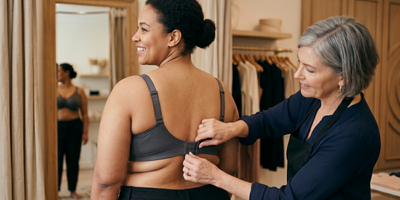
If you are not sure whether your bra is worn out or simply no longer the right fit, a professional fitting can help you compare both possibilities. You can book a fitting appointment with The Bra Diva for more personalized guidance.
A Simple Bra Care Routine That Works
You do not need a complicated laundry ritual. A simple routine is enough.
Keep a gentle wash on hand. Wash bras in cool or lukewarm water. Press instead of wring. Air dry every time. Store molded cups without folding them inward. Rotate your bras instead of wearing the same one daily.
Those habits are small, but they can make a real difference in how your bras feel and how long they stay supportive.
A well-fitting bra is worth caring for. When you wash it gently, you are not just keeping it clean. You are helping protect the fit you worked to find.
Bra Washing FAQs
Can I wash bras in the washing machine?
You can, but hand washing is usually safer. If you use a washing machine to wash lingerie, fasten the hooks, place the bra in a mesh lingerie bag, use cool water, choose the delicate cycle, and air dry it afterward. Avoid washing bras with heavy items like towels, jeans, or other bulky clothes.
Should bras go in the dryer?
Bras should not go in the dryer if you want them to last. Dryer heat can weaken elastic, distort cups, and shorten the life of the band. Air drying is the better choice for most bras.
How often should I wash my bras?
It depends on how long you wore the bra, how much you sweat, and the type of bra. Everyday bras can often be washed after a few wears, while sports bras should usually be washed after each sweaty workout. Hot weather, sensitive skin, or heavy wear may mean washing more often.
How do I wash molded cup bras?
Wash molded cup bras gently in cool or lukewarm water and avoid crushing, wringing, or folding the cups. After rinsing, press out extra water with a towel, reshape the cups with your hands, and air dry the bra in its natural shape.
Can washing fix a stretched-out bra?
Washing may freshen the bra, but it usually cannot restore elastic that has lost its recovery. If the band rides up on the tightest hook or the bra no longer supports the way it used to, it may be time to replace it or check the fit again.