Why Do My Bra Straps Keep Slipping?
If your bra straps keep sliding off your shoulders, the problem is often not the straps alone. A loose band, cups that do not fit quite right, stretched-out elastic, straps that sit too far apart, or a bra style that does not suit your shoulders or shape can all make bra straps slip.
You pull them back up, tighten them a little more, and then a few hours later, they are slipping again.
Here is the important thing to know: slipping straps are not always just a strap problem.
When this happens again and again, the goal is not just to stop the sliding for an hour. It is to understand why the bra is not staying anchored. Sometimes the straps really are too loose. But in many fittings, straps slip because something else in the bra is shifting first.
A good bra should stay in place during real life, not just while you are standing still in front of a mirror. Let’s sort through the most common causes of slipping straps, how band fit and cup fit affect strap stability, what to check first, and when a different style or professional fitting may help.
Why Bra Straps Slip In The First Place

Bra straps are there to help stabilize the bra, but they are not supposed to do the main supporting work. That job belongs mostly to the band.
When the band, cups, and straps are all working together, the straps should sit comfortably on your shoulders without digging in or sliding off all day. If one part of the fit is off, the straps often become the place where you notice the problem.
Your straps may slip because:
-
They are adjusted too loosely
-
The elastic has stretched out
-
The band is too loose or riding up
-
The cups are too wide or not sitting close enough
-
The straps are placed too far apart for your shoulders
-
The bra style is not a good match for your body or outfit
-
The bra is older and no longer holding its shape
That is why simply tightening the straps does not always fix the problem. If the bra is shifting underneath, the straps may keep sliding no matter how many times you adjust them.
First, Check Whether The Band Is Doing Its Job
If your straps keep slipping, start with the band.
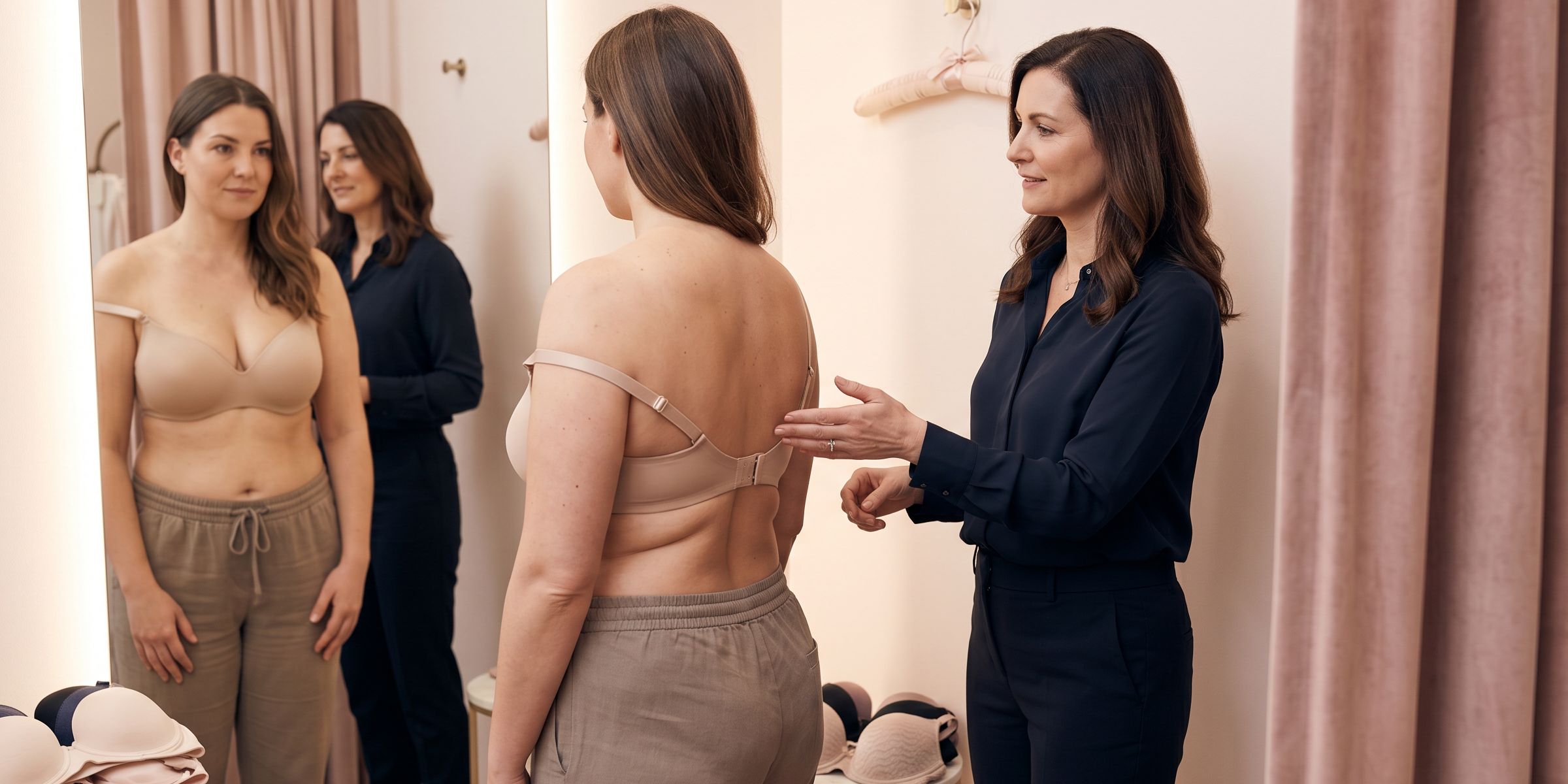
The band should sit level around your body and feel firm enough to anchor the bra. It should not be so tight that it hurts, but it should not float, twist, or ride up your back either.
When the band is too loose, the back of the bra can start to creep upward. As the band moves, the straps often move with it. Many women tighten the straps to compensate, but that usually puts more pressure on the shoulders without solving the real issue.
A loose band can make the whole bra feel unstable. You may notice:
-
The back band rides up during the day, which can be a sign that the band is too loose or stretched out
-
The front of the bra drops lower than it should
-
You keep shortening the straps but still feel unsupported
-
The straps dig in after tightening
-
The bra shifts when you raise your arms or move around
If this sounds familiar, your strap issue may actually be a band issue. Our guide to bra band riding up explains that fit problem in more detail.
A helpful starting point is to put the bra on and check the band before you touch the straps. If the band is not staying level, the straps are probably being asked to do too much.
Your Cups May Be Pulling The Straps Out Of Place

Cup fit can also affect whether your straps stay put.
This surprises many women because straps feel like a shoulder issue. But the cups help determine where the straps sit on your body. If the cups are too wide, too shallow, or not shaped well for your breast tissue, the straps may sit farther out toward the edge of your shoulders.
That can make them more likely to slide.
This can happen even when the size on the tag seems right. Bra fit depends on more than the number and letter. Bra sizes can vary across brands and styles, and the same size may feel different depending on cup depth, wire width, fabric, style, and breast shape.
A cup-related strap problem may show up as:
-
Straps sitting very wide on the shoulders
-
Gapping at the top of the cups
-
The bra shifting forward or outward during wear
-
Cups that feel wide but not supportive
-
A molded cup that looks smooth at first but moves later
-
Straps slipping more on one style than another, even in the same size
If your cups gap at the top, the cup size, cup shape, or style may not be matching your breast tissue well. Sometimes a different cup size helps, but sometimes the better fix is a different cup shape or style.
When the cups are not sitting where they should, the straps may not stay where they should either. You can read more about that in our guide to cups that gap at the top.
The important takeaway is that strap slipping is often part of the whole fit picture. The strap may be the symptom, while the cup shape, size, or style may be part of the cause.
The Straps May Be Too Loose, Too Stretched, Or Too Far Apart
Of course, sometimes the straps themselves do need attention.
Bra straps stretch over time, especially if the bra is worn often or washed in a way that is hard on the elastic. The strap sliders can also loosen, which means the straps slowly lengthen during the day.
Check the straps while you are wearing the bra. They should feel secure, but not tight. You should not need to shorten them so much that they dig into your shoulders or pull the back band upward.
A strap-specific problem may be happening if:
-
The straps feel loose even after adjusting them
-
The strap sliders do not stay in place
-
The elastic feels tired or wavy
-
The straps stretch out again soon after tightening
-
The bra is older and has lost its firmness
-
The straps are set very wide by design
Some bra styles naturally have wider-set straps. This can be beautiful and useful under certain necklines, but it may not work for every shoulder shape or everyday need.
Wider straps may feel more comfortable on some shoulders, but the band still needs to do the main anchoring work.
If the bra itself is still in good condition, a strap adjustment may help. If the elastic is worn out or the sliders will not hold, the bra may simply be ready to retire. If it is a favorite bra you wear constantly, it may wear out faster than the rest of your drawer.
How Tight Should Bra Straps Be?
Bra straps should feel secure enough to stay in place, but not so tight that they carry the weight of the bra.
A simple check: after adjusting the straps, notice whether your shoulders feel pulled down or pinched. If tightening the straps gives you red marks, pressure, or a band that hikes up in back, the straps are probably doing too much work.
You want the straps to stabilize the cups, not lift the whole bust by themselves.
If you have to keep tightening them to feel supported, go back to the band and cups. That is usually where the stronger answer starts.
Does Shoulder Shape Matter?

Yes, shoulder shape can affect strap slipping. But that does not mean your body is the problem.
Some women have narrower shoulders, rounded shoulders, or shoulders that slope slightly downward. With certain bras, especially styles with very wide-set straps, that shape may make slipping more likely.
The solution is not to blame your shoulders. The solution is to find a bra style that works better with your body.
You may do better with:
-
Straps that sit closer to the center of the shoulder
-
Center-pull straps
-
A more secure full coverage style
-
A convertible strap option
-
A racerback or J-hook style
-
A leotard-style back
-
A bra with a firmer, more stable band
-
Cups that hold the bust more centered
This is one reason two bras in the same size can feel completely different. One may have straps that stay beautifully in place, while another slides all day. The difference may be strap placement, cup shape, or how the whole bra is built.
For some shoulder shapes, a different bra style may simply work better.
Bra Styles That May Help With Slipping Straps

Once you have checked the band, cups, strap adjustment, and bra age, style can make a big difference.
For everyday wear, look for a bra that keeps the straps in a position that matches your shoulders. The best option depends on your body, breast shape, size range, wardrobe, and comfort preferences.
Styles and features that may help include:
-
Center-pull straps: These straps are set closer to the center of the cup and may stay more securely on some shoulders.
-
Full coverage bras: These often have more containment and may place the straps in a more stable position.
-
Convertible straps: These can sometimes be adjusted into a crisscross or racerback shape.
-
J-hook or racerback options: These bring the straps inward, which may help if straps tend to slide outward.
-
Leotard-style backs: These can sometimes help straps stay in a more secure position because of the way the back is shaped.
-
Firmer bands: A stable band can help keep the whole bra from shifting.
-
Better cup depth or shape: Cups that match your breast shape can help the straps sit where they are supposed to.
Accessories such as strap holders can sometimes help for a specific outfit, but they should not be the first fix if the bra itself is shifting. If the band is loose or the cups are not sitting correctly, an accessory may only hide the symptom for a little while.
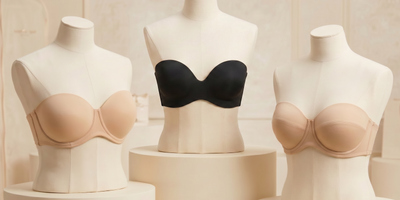
If your main issue is that you do not want straps to show under a specific outfit, that is a different question. A strapless bra may be a good wardrobe solution for certain tops or dresses, but it has to fit very securely through the band. Our strapless bra fit guide explains what to check before relying on a strapless style.
For everyday slipping straps, though, do not jump straight to a strapless bra as the fix. Start with the foundation: band, cups, strap placement, and bra condition.
A Simple At-Home Strap-Slip Fit Check
You can do a quick check at home before deciding what to try next.
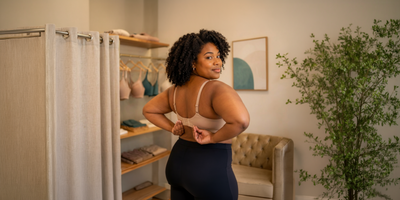
Put on the bra that gives you trouble and walk through these steps:
-
Start with the band.
Make sure the band is level around your body and feels snug and anchored. Band fit affects how well everything else stays in place. If the bra is newer, it should usually be on the loosest comfortable hook. -
Check the cups.
Scoop and settle your breast tissue into the cups. Look for gapping, spilling, flattening, or cups that feel too wide. -
Adjust the straps gently.
Tighten them until they feel secure, but not tight. The straps should not be pulling the band upward. -
Move around.
Raise your arms, sit down, bend slightly, and walk for a few minutes. A bra that only fits while standing still may not be the right fit. -
Notice what shifts first.
If the band moves, start there. If the cups gap or pull outward, look at cup shape. If the straps slide only on one bra style, strap placement may be the issue. -
Check the age of the bra.
If the elastic feels stretched, the band has lost firmness, or the strap sliders no longer hold, the bra may be worn out, especially if it is a favorite bra you wear constantly.
This type of check will not replace a professional fitting, but it can help you understand what is happening before you buy a new bra in frustration.
For a bigger overview, our guide to how a bra should fit walks through the main areas to check.
When A Fitting Can Save You Guesswork

If one bra has slipping straps, it may just be that particular style. But if your straps slip in several bras, the pattern is worth looking at.
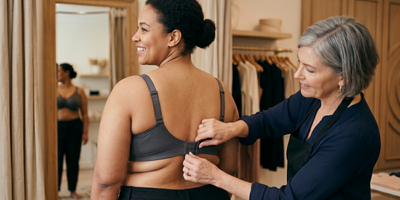
A professional fitting can help compare the band, cups, strap placement, and style all at once. That is often much easier than guessing one change at a time.
At The Bra Diva, the goal is not just to put you in a size. The goal is to help you understand what your bra is doing, why it may not be staying in place, and which styles are more likely to work for your body and your wardrobe.
If you are tired of adjusting your straps all day, you can book a fitting appointment and let an experienced fitter help you narrow the options.
Bra Strap Slipping FAQs
Why do my bra straps fall down even when I tighten them?
If your straps keep falling down after you tighten them, the issue may not be the strap length. The band may be too loose, the cups may not be sitting correctly, the straps may be placed too wide, or the bra may be stretched out. Tightening the straps can help only when the straps were simply too loose.
Do slipping straps mean my bra band is too big?
A loose band is a common reason straps slip, but it is not the only one. Check whether the band is level, firm, and staying in place during normal movement. If the band rides up or shifts, the straps may be losing their anchor.
Are racerback bras better for slipping straps?
Racerback bras or J-hook styles can help some women because they bring the straps inward. They are not a universal fix, though. The band and cups still need to fit well, or the bra may feel uncomfortable or unstable in a different way.
Can narrow shoulders make bra straps slip?
Narrow or sloped shoulders can make some strap placements more likely to slip. That does not mean your shoulders are the problem. Some women do better with straps that are set closer together, or with a J-hook or converter that brings the straps inward for certain outfits.
Should I replace my bra if the straps keep slipping?
It may be time to replace the bra if the strap elastic is stretched, the sliders do not hold, or the band has lost its firmness. If the bra is still fairly new, check the band, cups, and strap placement before assuming the whole bra is worn out.