Table of Contents
- The Best Way To Wash Bras Without Ruining The Fit
- Why Bra Washing Affects Support
- How To Hand Wash Bras Step By Step
- Can You Wash Bras In The Washing Machine?
- How To Dry Bras The Right Way
- How Often Should You Wash Your Bras?
- Should You Wash A New Bra Before Wearing It?
- How To Wash Molded Cup Bras
- How To Store Bras After Washing
- Common Bra Washing Mistakes To Avoid
- When Washing Will Not Fix The Fit
- A Simple Bra Care Routine That Works
- Bra Washing FAQs
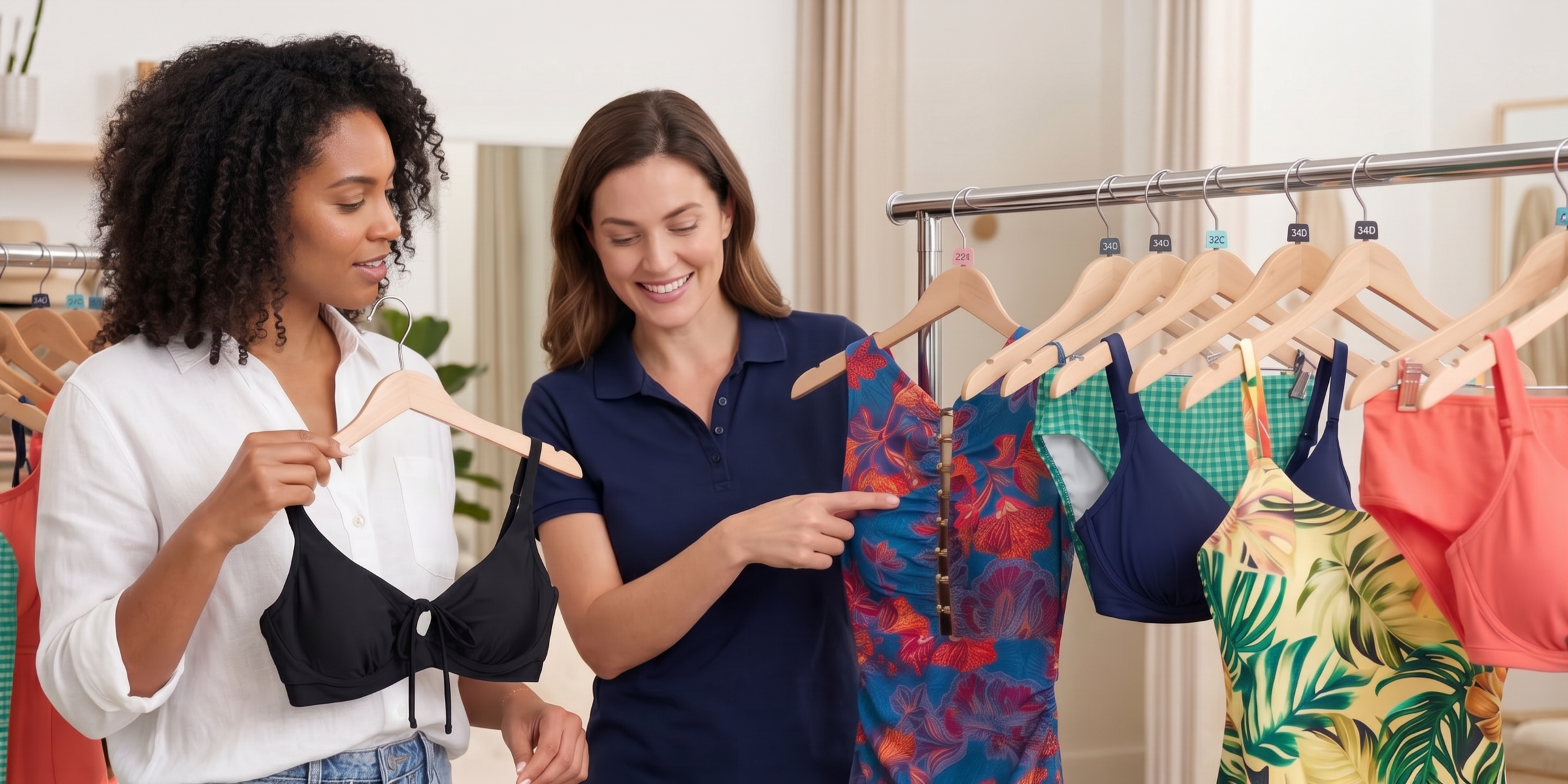
Bra-Sized Swimwear: Why Cup-Sized Swim Can Fit Better Than S/M/L
If you have ever tried on a swimsuit that fit your body but not your bust, you already know the problem with standard swim sizing. A small, medium, or large label can be helpful for general clothing, but it often does not tell you enough about cup depth, band support, coverage, or how secure the top will feel once you move.
That is where bra-sized swimwear can make a real difference. Instead of asking one size to fit your bust, rib cage, torso, and hips all at once, bra-sized swim gives you a more specific starting point for the part of the swimsuit that usually needs the most support.
It is not magic, and it does not mean every style in your bra size will fit the same way. But if S/M/L swim tops leave you spilling, gapping, flattening, or constantly adjusting, cup-sized swimwear is often a much better place to start.
Why S/M/L Swimwear Can Be So Hard To Fit
Most standard swimwear is sized like clothing. That means a medium top is usually designed for a general body size, not a specific bust size or band fit.
For some shoppers, that works just fine. For many others, especially if your bust and body proportions do not match the brand’s idea of a standard size, it can feel frustrating quickly.
You may run into problems like:
-
The cups are too small, even though the band or body fits.
-
The top feels loose around the ribs, but the cup area is still too shallow.
-
The swimsuit fits through the torso but does not give enough bust support.
-
The straps have to be tightened too much to feel secure.
-
The top looks fine standing still but shifts when you move.
-
You need one size on top and a different size on the bottom.
None of this means your body is difficult to fit. It usually means the size system is too broad for what you need.
A swimsuit top has a real job to do. It needs to contain, support, and stay in place, often while the fabric is wet and stretched. That is a lot to ask from a single small, medium, or large lab

What Bra-Sized Swimwear Means
Bra-sized swimwear is designed around bra-style sizing, usually using a band and cup size or a cup-specific size range. Instead of choosing only small, medium, large, or extra large, you can choose a swim top based on the bust fit more directly.
For example, a bra-sized bikini top may be offered in sizes that look similar to bra sizes, such as 32F, 36DD, or 40G, depending on the brand’s sizing system. A cup-sized tankini or one-piece may also include built-in cup support or size ranges that are more specific than standard swim sizing.
The main idea is simple: your bust fit should not be treated as an afterthought.
In a regular swimsuit, the top often assumes that bust size grows evenly with body size. In real life, that is not always how bodies work. You may have a fuller bust with a smaller band, a broader rib cage with a shallower cup need, or a different top and bottom size entirely.
Bra-sized swimwear gives you a better way to start the fitting process because it separates the bust fit from the rest of the garment more clearly.
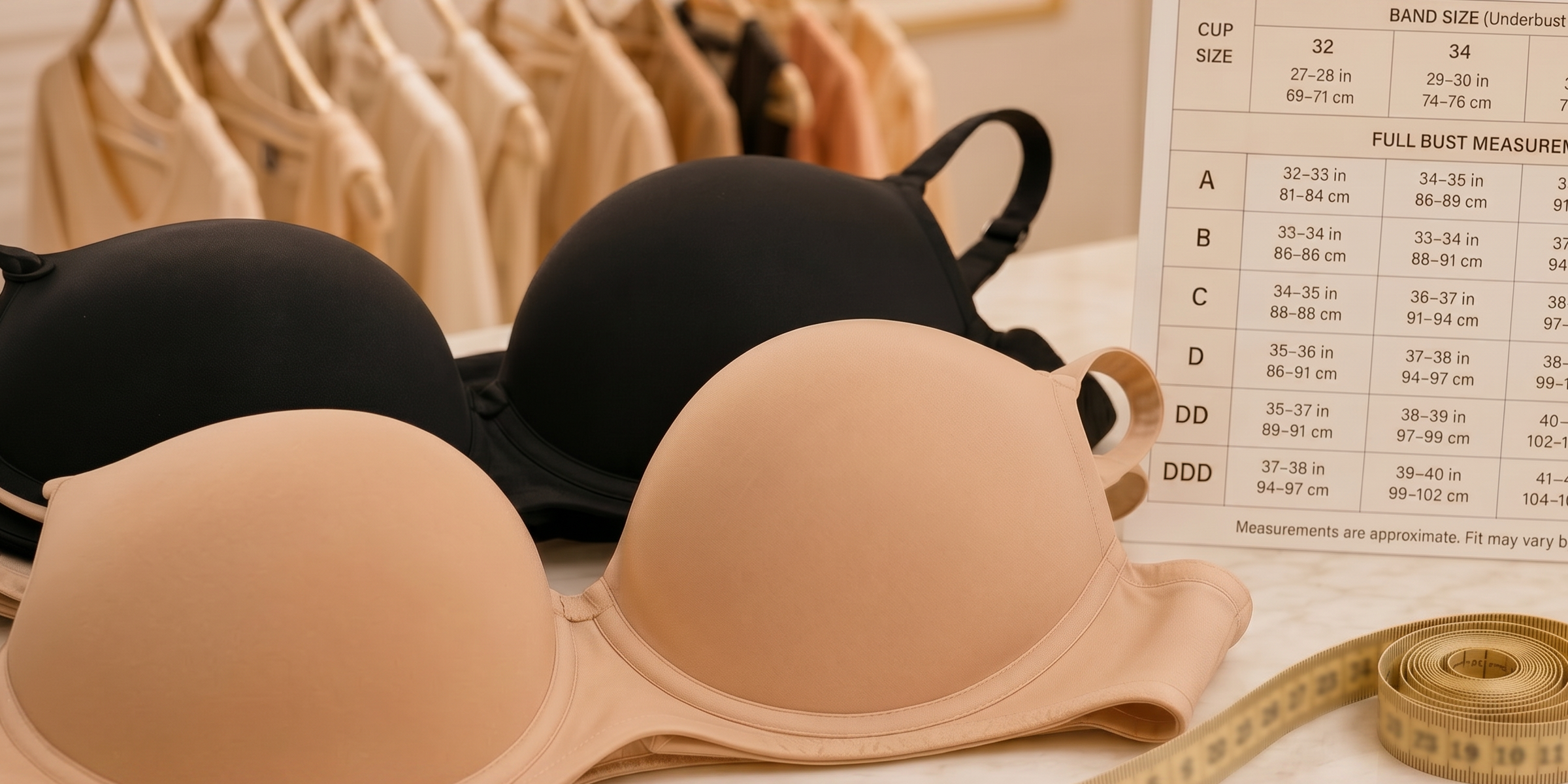
If you are comparing swim sizes, The Bra Diva’s Swimwear Size Chart and Cup-Sized Bikini Size Chart can help you understand the starting point before you choose a style.
Why Cup-Sized Swimwear Can Fit Better
Cup-sized swimwear can fit better because it gives the swimsuit top more information about your shape. It does not just ask, “What clothing size are you?” It gets closer to the fit questions that matter most in the bust area.
The Top Can Match Your Bust More Closely
A common problem with S/M/L swim tops is that the cup area may not match your bust volume. If the cup is too shallow, the top may press the bust down, cut in at the neckline, or push tissue toward the sides. If the cup is too roomy or the wrong shape, you may see gapping or empty space.
Bra-sized swimwear gives you a more specific cup starting point. That can help the top contain breast tissue more comfortably, especially if you need more cup depth, more coverage, or a more structured shape.
The cup still has to match your body and the style. A plunge bikini, balconette-style swim top, tankini, and one-piece may all fit differently, even in the same size. But starting with cup sizing gives you more useful information than a basic medium or large.
The Band Area Can Give Better Support
In bras, the band does most of the supporting work. Swimwear is a little different because fabric, lining, straps, and construction vary by style, but the underbust area still matters.
If the band area is too loose, the top may shift, ride up, or rely too much on the straps. If it is too tight, it may dig or distort the cup fit. A more secure underbust fit can help the swim top feel anchored, especially in bikini tops and supportive tankinis.
This is one reason many fuller-bust shoppers feel better in bra-sized swim. The top is not depending only on tighter straps or stretchy fabric to create support.

You Are Not Forced Into One Size For Your Whole Body
One of the biggest benefits of bra-sized swim separates is the ability to choose the top and bottom separately.
That matters because many women do not wear the same “size” on top and bottom. You might need a cup-sized bikini top for support and a different size in the swim bottom. Or you may prefer a tankini top for coverage with a separate bottom that fits your hips more comfortably.
This is where bikini tops, tankini tops, and swim separates can be especially helpful. You are no longer asking one one-piece size or one set size to solve every fit issue at once, which can help you get closer to a better top-and-bottom fit.
Bra-Sized Bikini Tops, Tankinis, And One-Pieces Fit Differently
Bra-sized swimwear is not one single fit. The style matters just as much as the size.
Bra-Sized Bikini Tops
Bra-sized bikini tops usually give the most bra-like fit because they focus directly on the bust and underbust area. If your main issue is support, containment, or cup depth, this can be a strong place to start. Some styles may also include adjustable straps, underwire support, or flexible cup construction, depending on the brand.
A bra-sized bikini top may work well if:
-
You want to choose your top and bottom separately.
-
Your bust needs more specific sizing than S/M/L allows.
-
You want a more secure underbust fit.
-
You need more coverage or depth in the cup.
-
You like the flexibility of mixing colors, cuts, and bottom styles.
The key is to check the band and cup together. If the cup looks right but the underbust area shifts, the top may not feel secure. If the band feels secure but the cup cuts in or gaps, the size or shape may need adjusting.
Bra-Sized Tankinis
A tankini can be a great option if you want more torso coverage but still need a better bust fit. Many women like tankinis because they feel more flexible than a one-piece and easier to fit than a full swimsuit.
A bra-sized or supportive tankini may be helpful if:
-
You want coverage through the midsection, with coverage levels that match your preference.
-
You still need cup-specific support.
-
You prefer the convenience of separates.
-
You want a swim top that feels more like clothing but fits more like supportive swimwear.
When trying a tankini, check both the bust and the body. The cups may fit well, but the torso length, fabric, and bottom hem can still affect how the top feels when you sit, swim, or move.
You can browse tankini tops if this is the swimwear format that feels most practical for you.
Cup-Sized One-Piece Swimsuits

A cup-sized one-piece swimsuit can be a good choice if you like a smoother, all-in-one look and want more built-in bust support than a standard one-piece offers.
The fit check is a little different, though. A one-piece has to fit the bust, torso length, waist, hips, and leg opening all in one garment. That means your bra size can help with the bust, but it does not answer every fit question.
A supportive one-piece may work well if:
-
You want more coverage than a bikini.
-
You prefer one garment instead of separates.
-
You want built-in bust shaping or support, such as structured seams or supportive lining.
-
Your torso length works well with the brand’s cut.
If the bust fits but the suit pulls at the shoulders, feels short in the torso, or shifts through the body, the issue may be the overall swimsuit shape rather than the cup size alone.
The one-piece bathing suits collection is a useful place to compare supportive styles.
How To Check The Fit Before You Keep It
When you try on bra-sized swimwear, do not judge only by the label. Move around a little and check how the top behaves.
Check The Underbust Area
The underbust area should feel secure enough to anchor the top, but not so tight that it digs, rolls, or distorts the cups. It should feel comfortably snug when dry without digging or changing the cup shape. If it rides up when you lift your arms, the top may not be anchored well enough.
Check The Cups
The cups should contain your breast tissue without cutting in, spilling, flattening, or leaving obvious empty space. A little variation between brands is normal, but the cup should feel like it is working with your shape, not fighting it.
Check The Straps
Straps should help stabilize the fit and let you customize how the top sits on your shoulders. They should not have to do all the lifting. If tightening the straps is the only way the top feels supportive, check the band and cup fit again.
Check Coverage While Moving
Raise your arms, sit down, lean slightly forward, and twist gently to see whether the suit stays secure for swimming and a day at the beach. Swimwear has to work in motion. If you feel like you need to adjust constantly, the style may not be secure enough for how you plan to wear it.
Check The Fabric Wetness Factor
Swimwear fabric can relax when wet. A top that already feels loose when dry may feel less secure in the water. You do not need the suit to feel uncomfortably tight, but it should feel stable before you swim.
When Bra-Sized Swimwear May Not Be Enough

Bra-sized swimwear gives you a better starting point, but it does not remove every fit variable.
You may still need to compare:
-
Cup shape
-
Cup depth
-
Wire width
-
Strap placement
-
Band firmness
-
Torso length
-
Coverage level
-
Fabric stretch
-
Brand sizing system
-
Whether the style is made for light, moderate, or stronger support
This is especially true if your breast tissue is fuller on top, fuller on bottom, close-set, wide-set, shallow, projected, or uneven from side to side. Two swim tops in the same size can fit differently because the construction is different.
That is why it is helpful to think of your swim size as a starting point, not the whole answer.
If you already know your bra size, start there, but stay open to adjusting by brand and style. If you are between sizes, choosing the better fit may depend on whether the issue is coming from the band, cup, coverage, or overall shape.
Where To Start If You Are Not Sure
If S/M/L swimwear has been frustrating, start with the problem you are trying to solve.
If the cup is always too small, look for bra-sized or cup-sized swim tops with more depth and coverage. If the band or underbust area feels loose, look for a more secure construction rather than only tightening the straps. If you need different top and bottom sizes, start with swim separates.
A good first path is to shop bra-sized and supportive swimwear, then narrow by the type of suit you actually want to wear and the style you are most likely to feel good wearing:
-
Bikini tops if you want the most flexible top-and-bottom fit.
-
Tankini tops if you want more coverage with a separate bottom.
-
One-piece bathing suits if you prefer a full suit with built-in support.
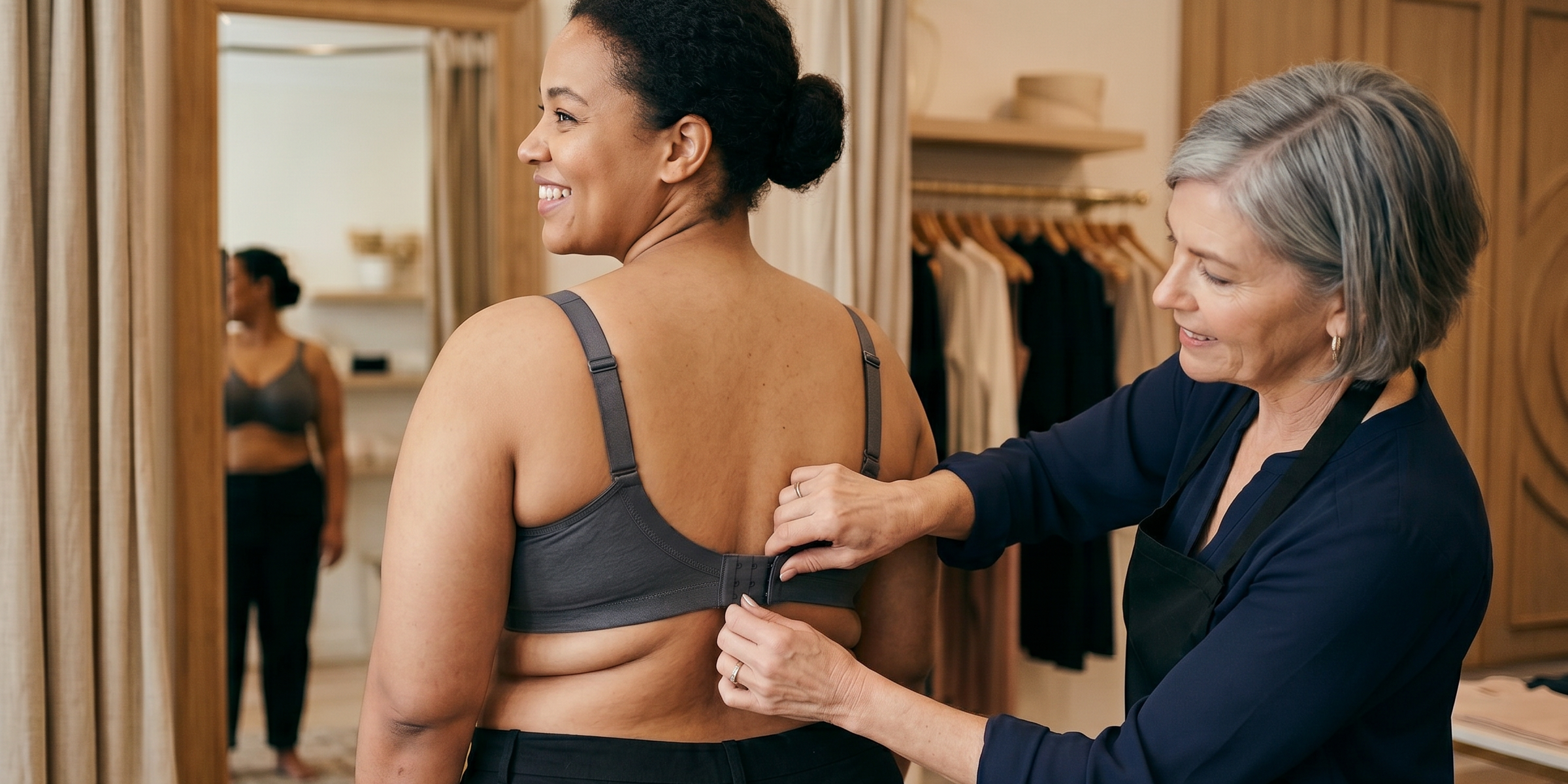
If you are not sure where to begin, a fitting can help you narrow the options quickly. You can book a fitting appointment with The Bra Diva for more personalized help.

Bra-Sized Swimwear FAQ
Is bra-sized swimwear only for large busts?
No. Bra-sized swimwear is especially helpful for many full-bust shoppers, but it is not only for large busts. It can also help anyone whose bust, band, torso, or body proportions do not match standard S/M/L swim sizing.
Should my swimsuit size match my bra size?
Your everyday bra size is usually the starting point for bra-sized swimwear, and the fit of a favorite bra can be a helpful reference. It may not be the final answer in every swim brand or style, though. Swimwear fabric, cup shape, torso length, and brand sizing can all affect the fit, so expect some variation. If you are between sizes or switching brands, check the brand’s swim size chart before choosing.
Are bra-sized bikini tops more supportive than regular bikini tops?
They can be, especially when the top has underwire, a secure underbust area, cup depth, and supportive construction. The size system helps, but the style still matters. A bra-sized bikini top should still be checked for band security, cup containment, and movement.
What if I need a different size on top and bottom?
That is one of the best reasons to consider swim separates. You can choose a cup-sized or bra-sized top for your bust and a separate bottom size that fits your hips and coverage preference more comfortably.
Can a tankini be bra-sized?
Yes, some tankinis are designed with more specific bust support or cup-sized fit features. A tankini can be a helpful middle ground if you want more torso coverage but still need a better-fitting swim top.